
Meet PEM: Deepa Balji
In the Meet PEM series we introduce the brand builders & capital raisers across our community.
Vice President, Marketing & Communications
B Capital
Based in Singapore
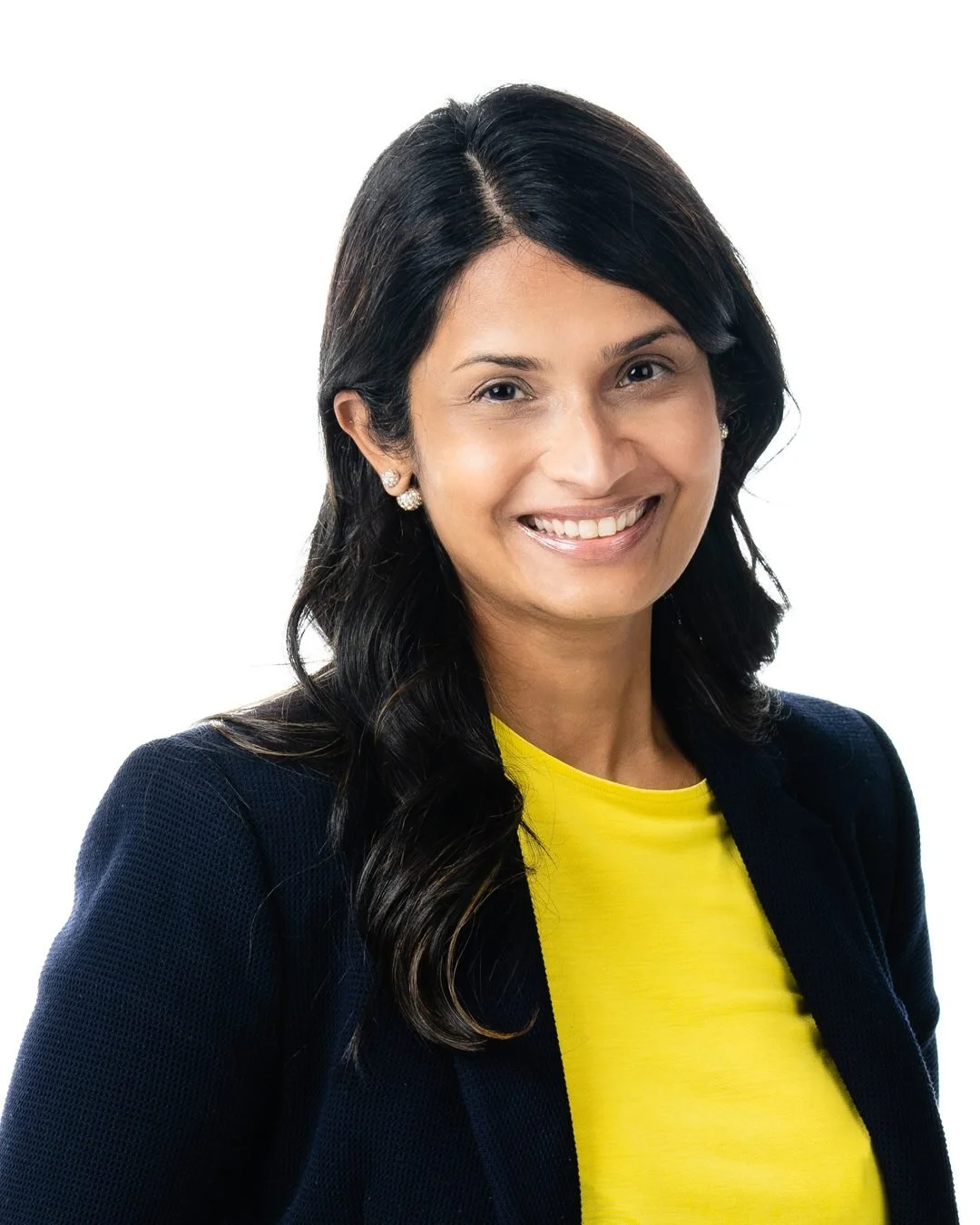
How did you get into marketing in the private markets?
Honestly, it wasn't a straight line. I was a former fixed income reporter who accidentally stumbled into PR and communications. In 2021, I joined B Capital through a friend who headed up the IR team.
What I didn't expect was how much my PR and former journalist instincts would become a competitive advantage in private markets. Global reporter relationships, media credibility, knowing how a story lands in a room, rolling up my sleeves during crisis communications - those things matter enormously in a world where brand perception shapes LP conviction before a roadshow even begins. I fell into private markets marketing. I stayed because I realised it was one of the few places where brand work is directly connected to capital outcomes.
What's a piece of advice you wish you'd learned earlier in your career?
Visibility is not vanity. I spent years doing the work and assuming the work would speak for itself. It doesn't - not at the institutional level, not in capital markets, and not in rooms where decisions about people and capital are made by those who already have a formed view of you.
The earlier you understand that your visibility is an asset to be managed with the same intentionality as any other professional investment, the faster you move.
What are you currently learning or experimenting with?
I completed an Investor Relations course recently, which has been one of the most valuable things I've done professionally. I work closely with IR on roadshows, LP events and fundraising - but understanding the function from the inside has sharpened how I think about the marketing-IR interface. There's a version of this work where the two functions are genuinely integrated, and I think that's where the most interesting opportunities sit in private markets.
I'm also actively experimenting with AI tools mainly from a strategic viewpoint. How do the tools change the economics of content production? What does that mean for where a senior marketer's time should actually go? In capital markets, where every communication carries reputational weight, the question is how to use them without losing the precision and judgment the audience demands. That's the conundrum I'm working through.
What tool or workflow upgrade has had the biggest impact on your day-to-day?
It’s a combination of tools - GPT, Claude, Perplexity.
What's surprised me isn't the time saved, though that's real. It's what the time saved makes possible. When AI handles the more mechanical workstreams - research synthesis, first-draft content, monitoring across markets - it returns something more valuable than hours. It returns cognitive bandwidth. The mental capacity to think across markets simultaneously, to be genuinely present in a strategy conversation rather than catching up on execution, to operate at the level the role actually demands.
In a firm with the geographic footprint of B Capital, that capacity to scale your thinking beyond output is the real upgrade.
If you weren't in marketing/IR, what do you think you'd be doing?
Diplomacy, or an MI5 agent. I've spent years operating across Singapore, the broader Asia Pacific region and the Middle East, navigating cultural context, building institutional relationships, and learning how trust is established differently depending on where you are in the world. That work has always felt less like marketing and more like statecraft on a smaller stage.
I'm genuinely drawn to the architecture of sovereign relationships - how countries and institutions signal intent, build credibility over time, and open doors through presence rather than pressure.
In another life I think I'd have found my way into foreign affairs or an embassy role. The instincts aren't so different from what I do now. The currency just changes.